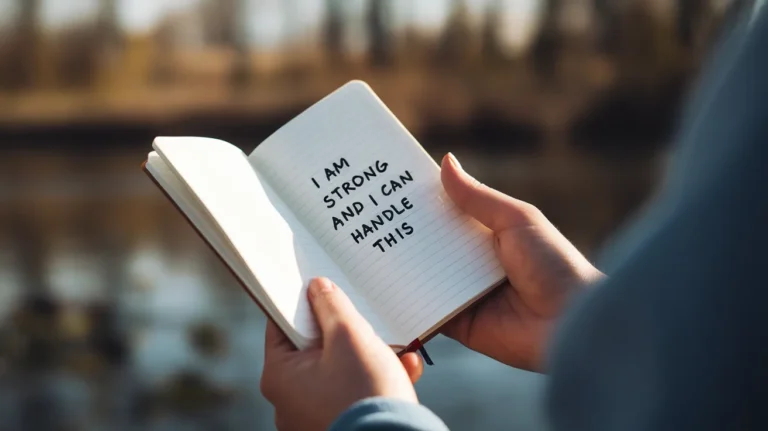

Why Your Mental Health Improves When You Stop Trying

Why Your Mental Health Improves When You Stop Trying
Mental Health affects how you think, feel, and act every single day. It shapes your relationships and work performance. It determines how you handle stress. The better you understand it, the more control you have.
Why Mental Health Matters More Than You Think
Your brain doesn’t separate mental and physical health. When your mental state suffers, your body follows. Sleep quality drops. Energy fades. Even small tasks feel overwhelming.
Men often ignore warning signs until something breaks. You push through fatigue. You bottle up frustration. You tell yourself it’s just stress.
This approach fails because problems compound. One bad week becomes a bad month. Poor sleep leads to worse decision making. Irritability damages your closest relationships.
Mental Health isn’t about feeling happy all the time. It’s about having the tools to handle life when it gets hard. It’s about recognizing when something’s off and knowing what to do next.
Common Mental Health Challenges Men Face
Work pressure hits different when you tie your identity to your job. One setback feels like total failure. You lose perspective fast.
Relationship issues create another layer of stress. Communication breaks down. Intimacy suffers. You feel disconnected from your partner but don’t know how to fix it.
Physical changes affect mental state more than most guys realize. Low testosterone tanks motivation. Poor diet creates brain fog. Lack of exercise amplifies anxiety.
Social isolation becomes normal without you noticing. You stop reaching out to friends. You skip group activities. Loneliness creeps in slowly.
Financial stress keeps your mind racing at night. Bills pile up. Savings don’t grow fast enough. The constant worry drains mental energy during the day.
How to Build Better Mental Health Starting Today
Start with sleep because everything else depends on it. Aim for seven to nine hours. Keep your bedroom cool and dark. Put your phone in another room at night.
Movement changes brain chemistry faster than most people expect. A twenty minute walk reduces cortisol levels immediately. Lifting weights three times per week improves mood for days afterward.
What you eat directly impacts how you feel. Protein at breakfast stabilizes blood sugar and energy. Cutting back on alcohol improves sleep quality within three days. Hydration affects focus more than caffeine does.
Connection matters even when you don’t feel like talking. Text one friend today. Schedule a regular call with someone you trust. Join a group that meets weekly.
Professional support isn’t a last resort anymore. Therapy gives you tools that work in real situations. Many men find practical mental health resources help them take that first step. The right therapist feels like talking to a coach, not a doctor.
Mental Health and Physical Performance
Stress kills gains in the gym. Elevated cortisol breaks down muscle tissue. Recovery slows when your nervous system stays activated. Sleep deprivation cuts testosterone production by up to thirty percent.
Your training suffers when your head isn’t right. Motivation disappears. Form gets sloppy. Injuries happen more often.
The reverse is also true. Consistent training improves mental resilience. You learn to push through discomfort. Small wins in the gym translate to confidence everywhere else.
Recovery isn’t just about rest days. Mental recovery means downtime without screens. It means saying no to extra commitments. It means protecting your energy like you protect your workout time.
The Connection Between Mental Health and Relationships
Unaddressed mental struggles leak into every interaction. You snap at your partner over small things. You withdraw instead of communicating. Intimacy becomes another source of pressure.
Anxiety makes you second guess everything in a relationship. You read too much into texts. You assume the worst. You create problems that don’t exist yet.
Depression kills your ability to show up emotionally. You go through the motions. Your partner feels the distance. They don’t understand what changed.
Opening up feels risky but it’s necessary. Start with one specific thing you’re dealing with. Skip the big dramatic conversation. Just share what’s actually happening in your head.
Your partner can’t read your mind. They need context for your behavior. Sharing your mental state isn’t weakness. It’s giving them information they need to support you.
Work Stress and Mental Health
Your job probably demands more mental energy than physical effort. Decision fatigue sets in by noon. Email stress follows you home. You never fully disconnect.
Boundaries protect your mental capacity. Stop checking work messages after dinner. Use your vacation days. Turn off notifications on weekends.
Perfectionism at work creates constant low grade anxiety. You redo things that are already good enough. You stay late to improve something by two percent. The return doesn’t match the mental cost.
Saying no is a skill you need to develop. You can’t do everything well. Overcommitment guarantees mediocre results and high stress. Pick fewer priorities and execute them properly.
Practical Mental Health Tools That Actually Work
Breathing exercises sound too simple but they reset your nervous system. Four seconds in, six seconds out. Do this for two minutes when stress spikes. It works faster than scrolling your phone.
Writing dumps mental clutter onto paper. Spend five minutes each morning writing whatever comes to mind. Don’t edit. Don’t reread. Just empty your head onto the page.
Cold exposure forces you into the present moment. A cold shower for thirty seconds at the end of your regular shower trains stress resilience. Your body learns to stay calm under discomfort.
Time outdoors without a specific goal helps more than structured exercise sometimes. Sit outside for ten minutes without your phone. Let your mind wander. Notice what you see and hear.
The team at MaleHive emphasizes simple daily practices over complicated systems. Small consistent actions beat big sporadic efforts every time.
When to Seek Professional Mental Health Support
You don’t need to hit rock bottom before getting help. If something affects your daily function for more than two weeks, that’s your signal. If people close to you express concern, listen to them.
Therapy works best when you start before crisis mode. You learn skills while you still have some stability. You build tools you can use when things get worse.
Medication isn’t failure. Brain chemistry matters. Sometimes you need pharmaceutical support alongside therapy and lifestyle changes. It’s no different than taking medication for blood pressure.
Finding the right provider takes effort. Not every therapist fits every person. If the first one doesn’t click after three sessions, try someone else. Match matters more than credentials.
Building Long Term Mental Health Habits
Consistency beats intensity for mental wellness. Daily ten minute walks help more than occasional hour long gym sessions. Regular seven hour sleep nights beat random nine hour catch up days.
Track your patterns without judgment. Notice what improves your mood. Notice what drains you. Use that data to make better decisions about how you spend time and energy.
Your environment shapes your mental state more than willpower does. Remove junk food from your house. Put your workout clothes where you’ll see them. Make good choices easier than bad ones.
Social connection needs structure or it doesn’t happen. Schedule regular time with friends. Join a weekly group. Make plans in advance instead of hoping something comes together spontaneously.
Resources like those found at men’s health platforms provide ongoing support between professional appointments. Education and community both play important roles in sustained progress.
Frequently Asked Questions
What are the first signs of poor mental health?
Changes in sleep patterns often appear first. You might feel irritable over small things. Energy drops even when you’re getting enough rest. Losing interest in activities you normally enjoy is another early warning sign.
How long does it take to improve mental health?
Small improvements can happen within days of better sleep and movement. Meaningful change typically takes four to six weeks of consistent effort. Professional therapy shows noticeable results after eight to twelve sessions for most people.
Can exercise really help with mental health?
Physical activity reduces stress hormones and increases endorphins immediately. Regular exercise improves anxiety and depression as effectively as medication for mild to moderate cases. The key is consistency, not intensity.
Should I tell people I’m struggling with mental health?
Sharing with at least one trusted person reduces isolation and creates accountability. You don’t need to announce it to everyone. Start with a close friend or family member who has shown understanding before.
What’s the difference between stress and anxiety?
Stress responds to specific external pressure and fades when the situation resolves. Anxiety persists even without a clear trigger. Anxiety creates worry about future events that may never happen.
Start improving your mental health today by choosing one small action and doing it consistently for the next seven days.